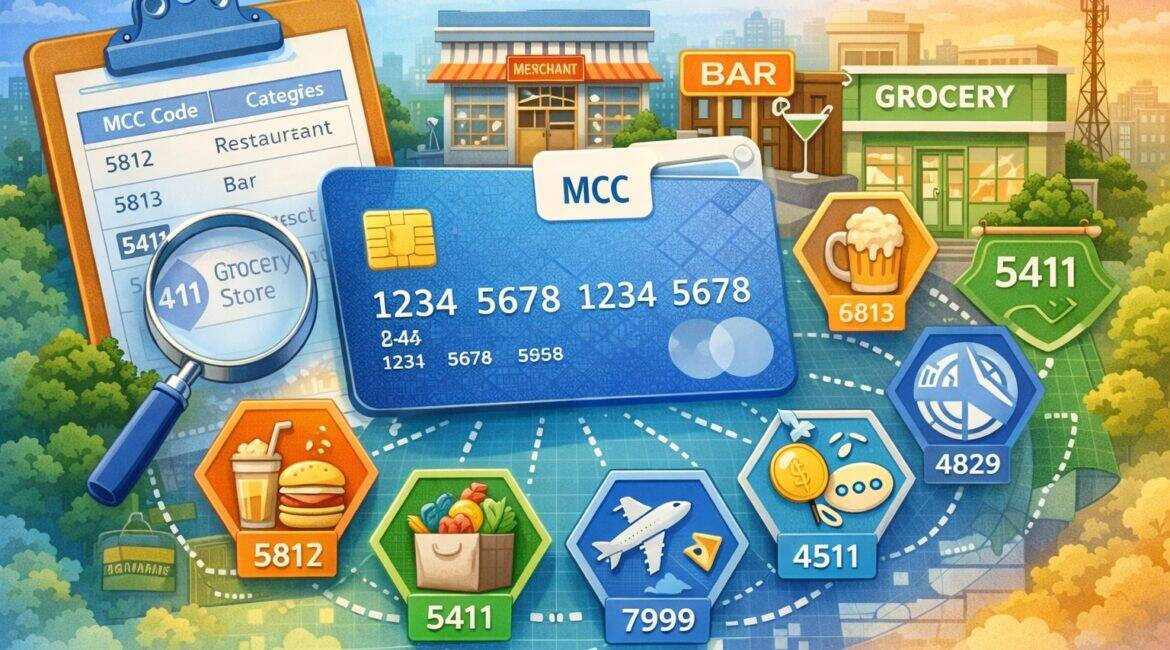
Merchant Category Codes (MCC) sit quietly behind almost every card transaction, yet they influence pricing, risk decisions, rewards, reporting, and even whether a payment is approved. Merchant Category Codes are four-digit identifiers used by card networks and payment partners to classify what a business primarily sells. A café, a dentist,...
How Batch Processing Works for Merchants
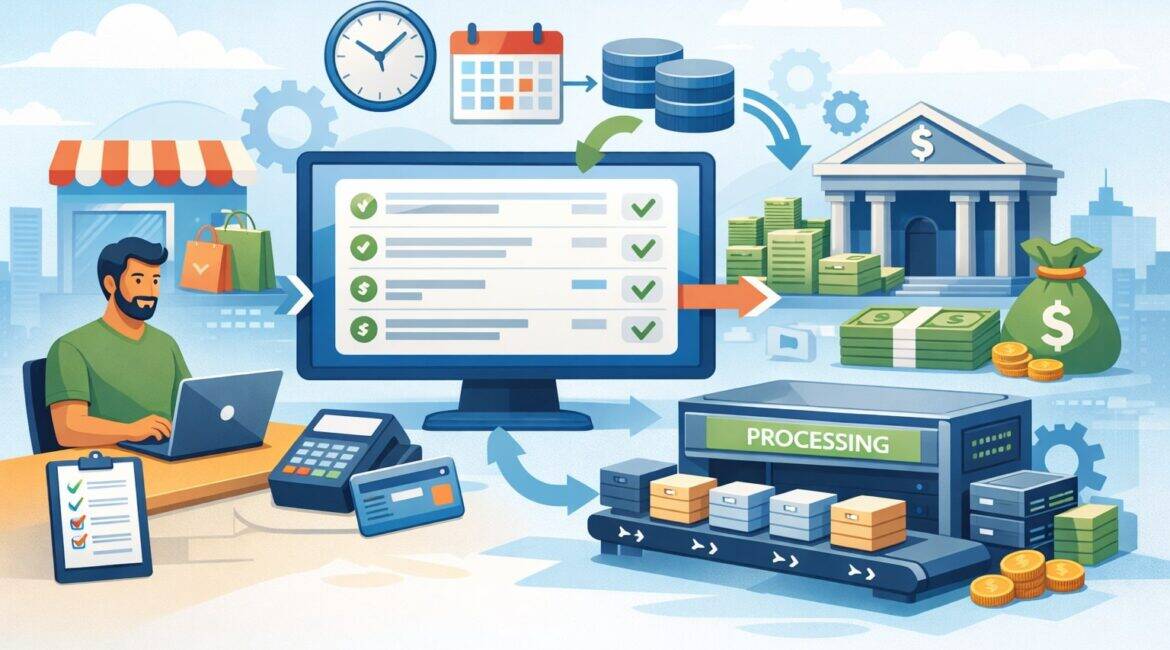
Batch processing is one of the most important (and most misunderstood) parts of card acceptance. You can run a sale, get an “approved” message, hand over the goods, and still not actually get paid until your system batches those transactions and sends them into the clearing and settlement flow. In...
Common Payment Decline Codes and What They Mean
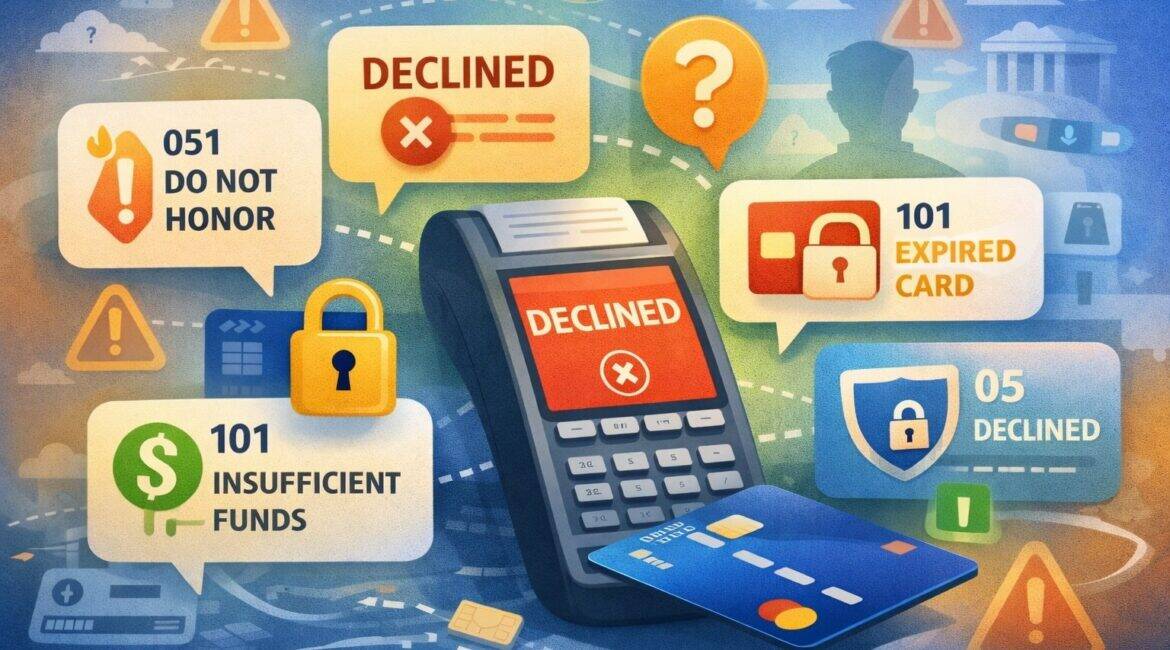
Payment decline codes are short numeric or alphanumeric signals returned during card authorization that explain why a transaction didn’t go through. If you accept card payments online, in-store, or on mobile, you’ve almost certainly seen payment decline codes like 05 (Do Not Honor), 14 (Invalid Account Number), 51 (Insufficient Funds),...
Payment Authorization and How Does It Work?

Payment authorization is the behind-the-scenes decision process that determines whether a transaction can go through right now—before money is fully moved and before a sale is considered final. In plain terms, payment authorization is the moment a customer taps, dips, swipes, or submits payment online and the payment system asks,...
How Online Payment Processing Works
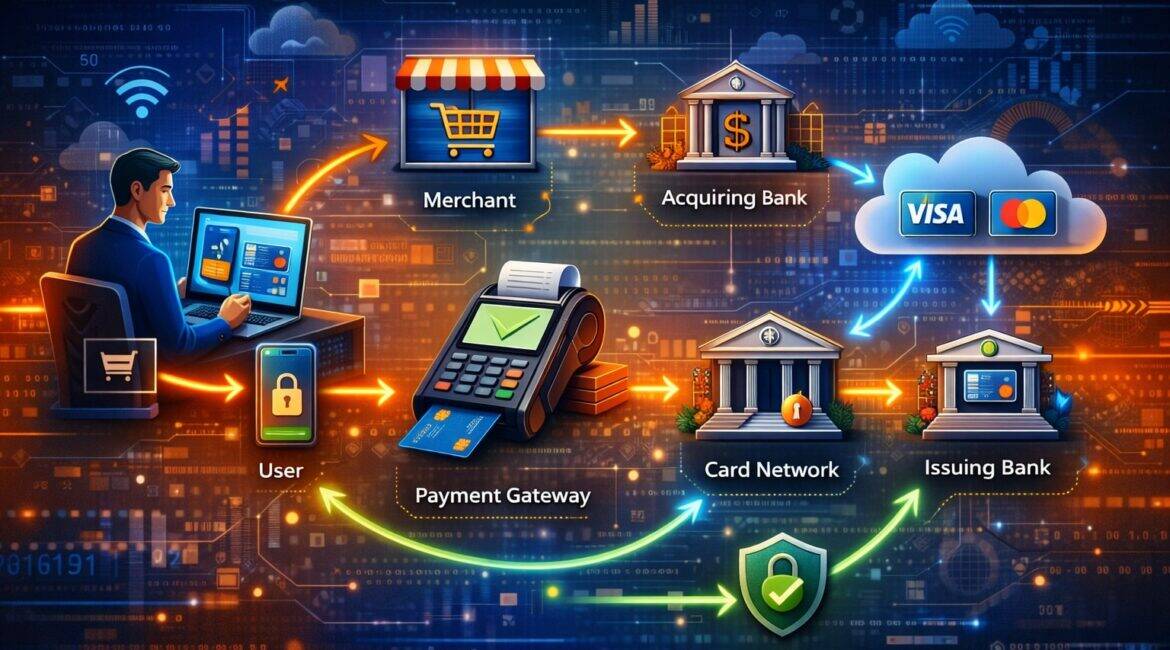
Online payment processing is the behind-the-scenes system that moves money from a customer’s payment method to your business bank account when someone buys on a website, mobile app, invoice link, or subscription checkout. At first glance it looks simple: a customer enters details, clicks “Pay,” and gets a confirmation. In...
How Credit Card Processing Works
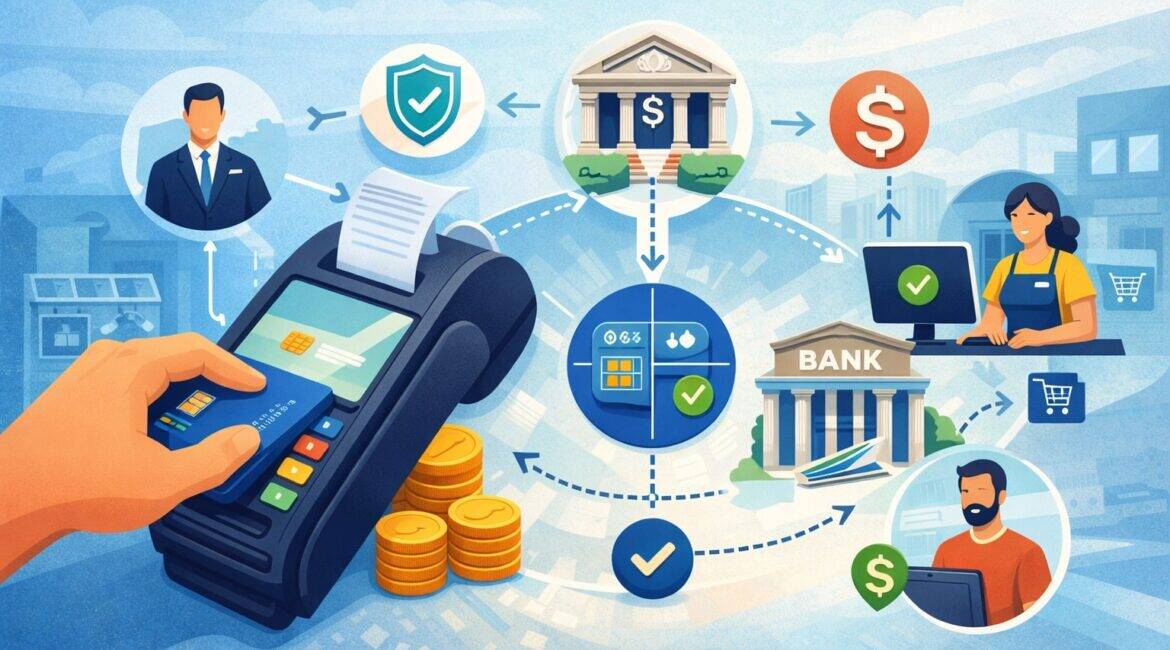
Credit card processing is the behind-the-scenes system that lets a customer tap, dip, swipe, or type a card number and receive an approval in seconds—while money actually moves days later. For a business, understanding credit card processing helps you control costs, reduce chargebacks, improve approval rates, and choose the right...
Multi-Currency Payments for Global Stores
Multi-currency payments for global stores have moved from “nice-to-have” to “must-have.” Shoppers want to browse, see prices, and pay in their own currency without doing mental math or worrying about surprise fees. At the same time, merchants want to grow international revenue, reduce cross-border costs, and keep operations simple. Modern...
What Is Chargeback Insurance? Complete Guide for Businesses
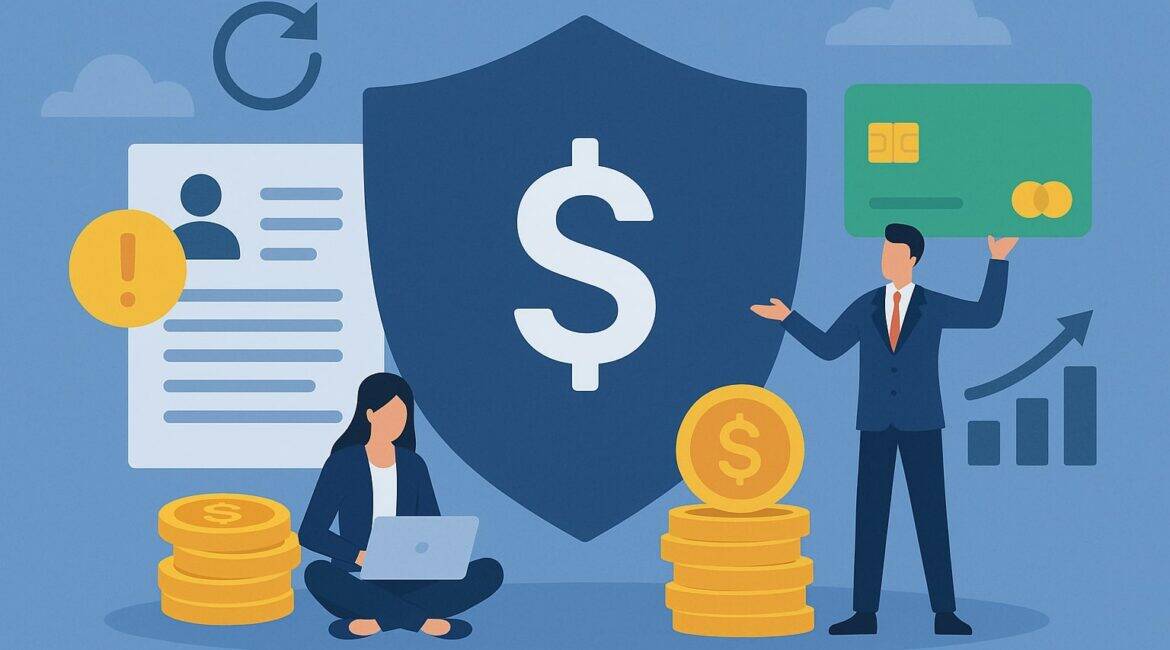
Chargeback insurance has become one of the most talked-about risk tools for merchants that accept card-not-present payments. As eCommerce, subscriptions, and digital services grow, so do disputes, fraud, and costly chargebacks. For many businesses, a single wave of disputes can derail cash flow, wipe out profits, and even trigger penalties...
Cash Discount Programs: Pros, Cons & Compliance
Cash discount programs have exploded in popularity as card processing costs keep climbing. Many businesses are told they can get “zero-fee processing” or “eliminate up to 100% of your fees” by shifting costs to customers. The reality is more nuanced. A properly structured cash discount program can reduce or even...
Payment Gateway vs Merchant Account: Differences Explained
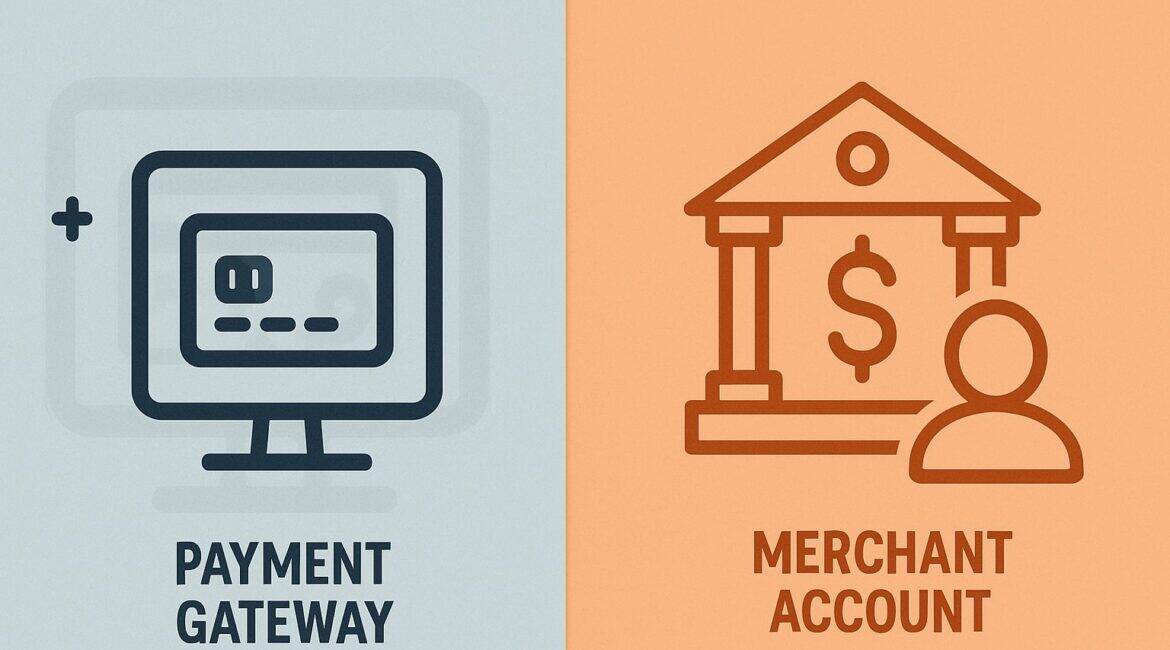
When you start accepting card payments online or in person, you quickly run into two terms that sound similar but mean very different things: payment gateway vs merchant account. Understanding the difference isn’t just technical trivia. It affects your approval rates, fees, cash flow, and how easily you can scale...